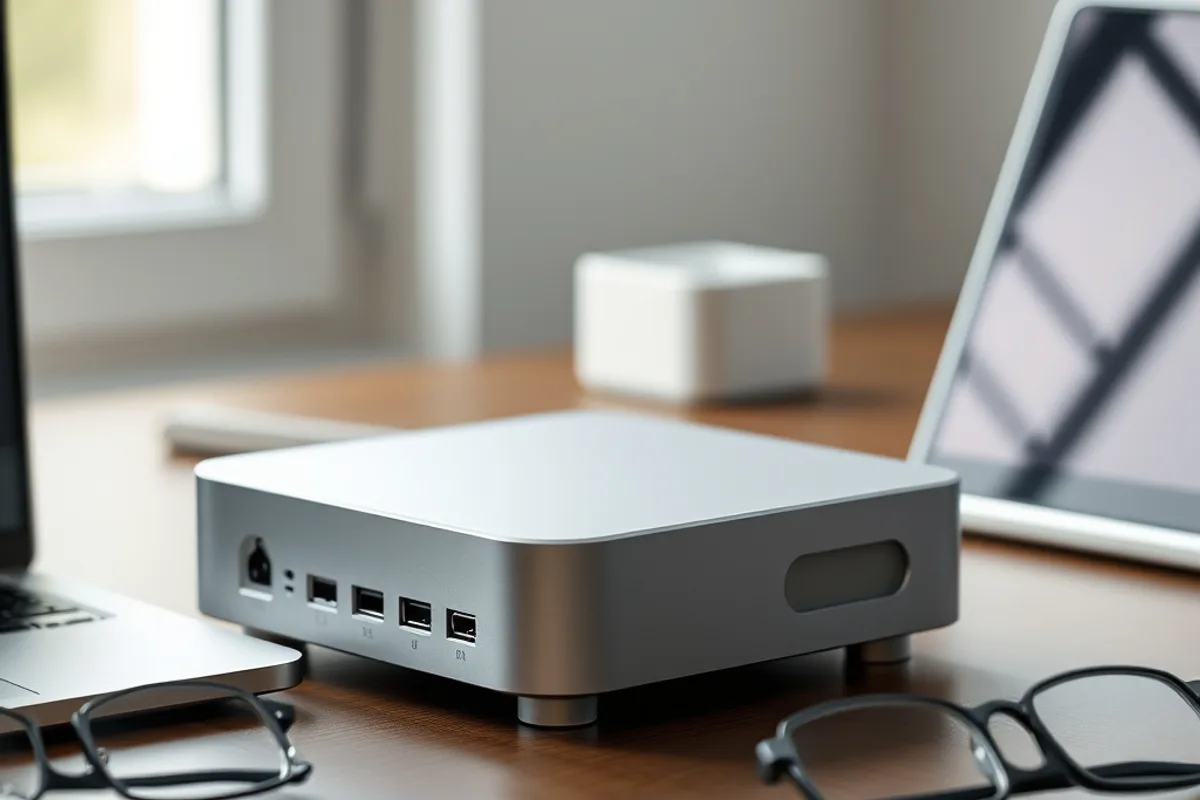
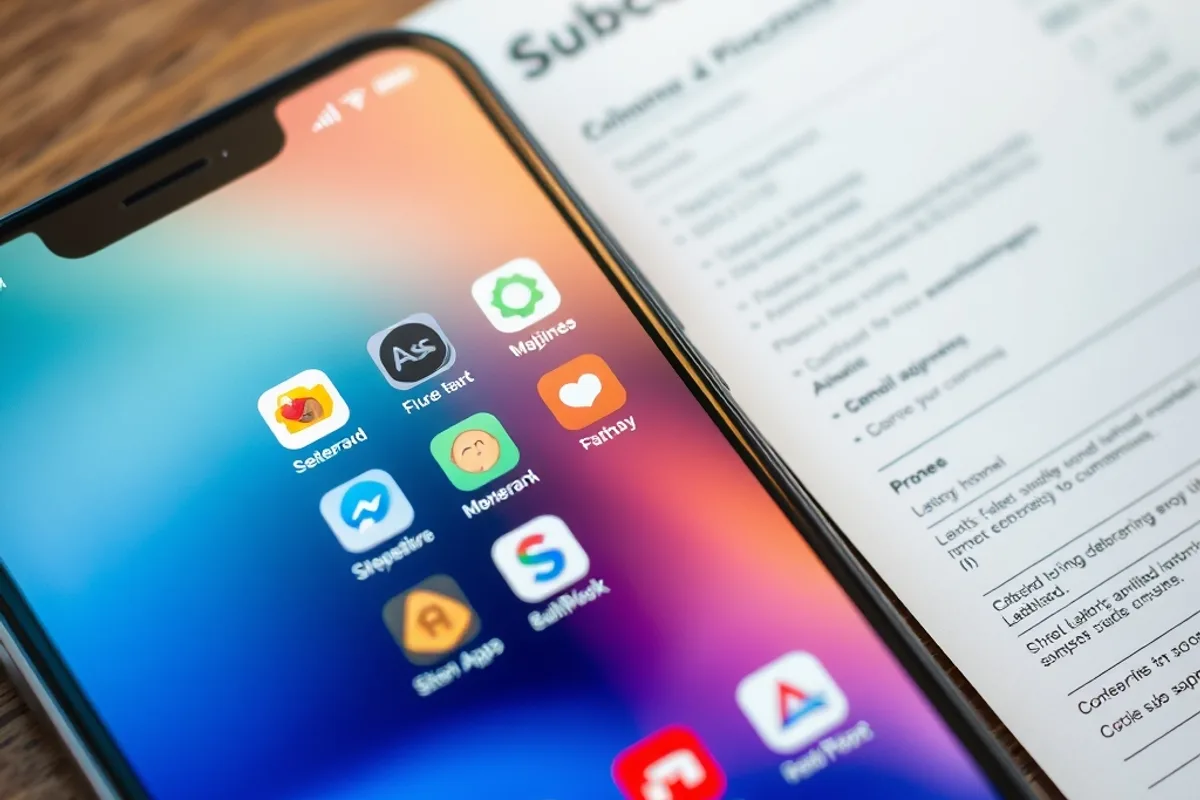
Why Repairable Gadgets Are Winning Buyers Back in 2026
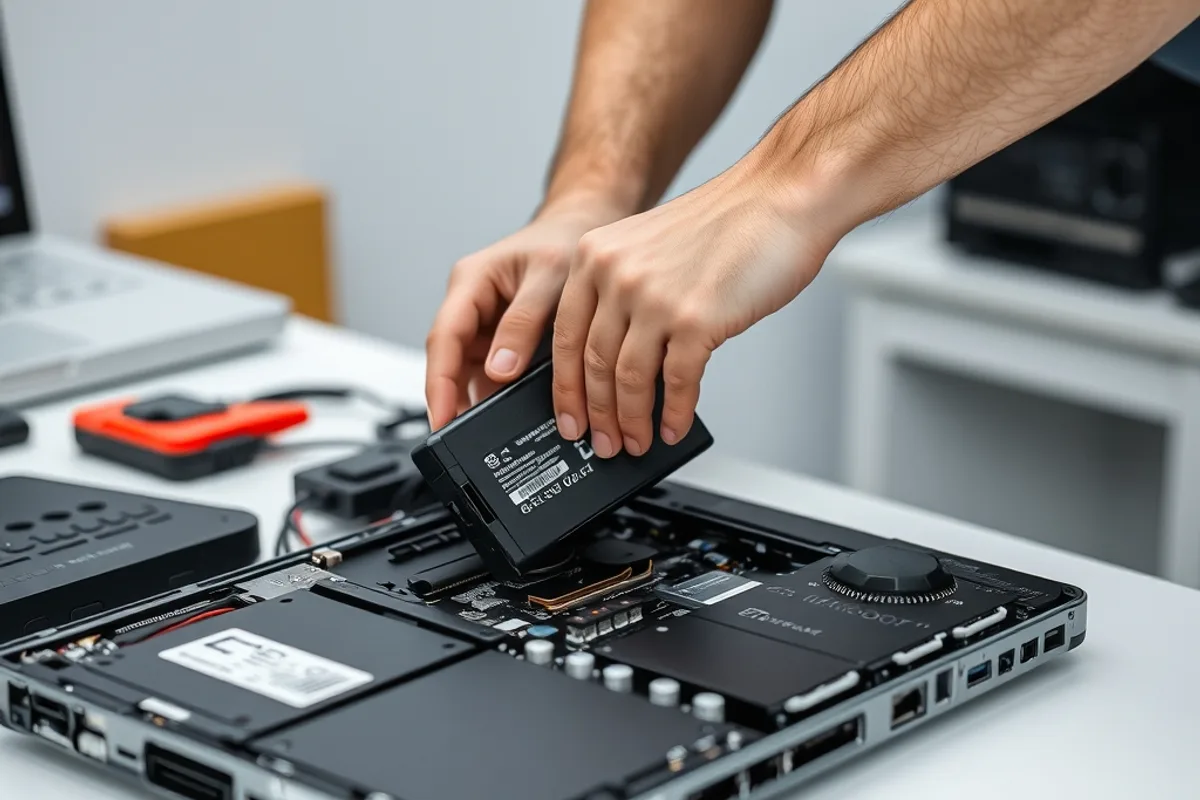
For years the trade was simple and mostly hidden. You bought a thin device, and in exchange you accepted that a worn battery or a cracked port meant a trip to a service centre, a large bill or a new purchase. In 2026 that trade is being renegotiated, and buyers are the ones pushing.
The shift is visible in shops and on spec sheets. Screwdrivers are replacing glue, replacement parts are sold directly to owners, and software support is being advertised in years rather than vague promises. None of this is charity. Manufacturers have noticed that a device people can keep is a device people will recommend.
Parts availability changed the maths
The single biggest change is that you can buy the part. A battery, a screen or a charging port used to be a trade secret routed through authorised service partners. Now several makers publish parts catalogues with prices next to each component, which turns a repair into a decision you can cost before you commit.
Availability is not the same as ease. A part you can order but cannot fit is a decoration. Check whether the maker publishes step-by-step guides, whether the parts come with the tools you need, and whether replacing a component requires recalibrating it with proprietary software. A fair programme covers all three.
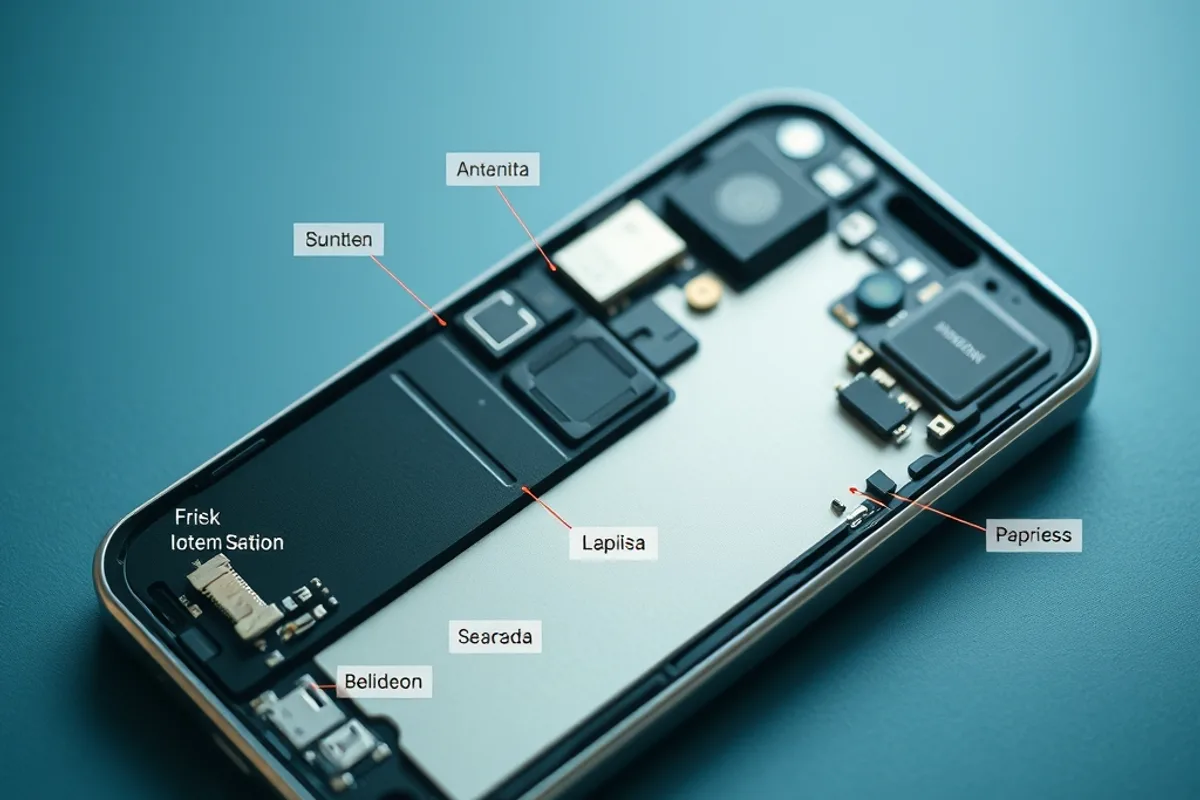
Software support is the real durability feature
A phone that can be repaired but stops receiving security updates in three years is not durable. It is a repairable device with an expiry date. The useful number to look for is years of guaranteed security patches, followed by years of operating system updates, and you should find that number in writing before you buy.
This matters more for phones than laptops because phones hold the accounts, the two-factor codes and the photos. A laptop can often run a supported alternative operating system after the vendor stops; a phone usually cannot. Treat update length as a spec, the same way you treat battery capacity.
There is a second-order effect too. Long support makes second-hand devices viable for longer, which keeps prices up for sellers and gives buyers a safer entry point. A three-year-old phone with two years of patches left is a much better purchase than the same phone abandoned last month.
Repairability is not the same as fragility
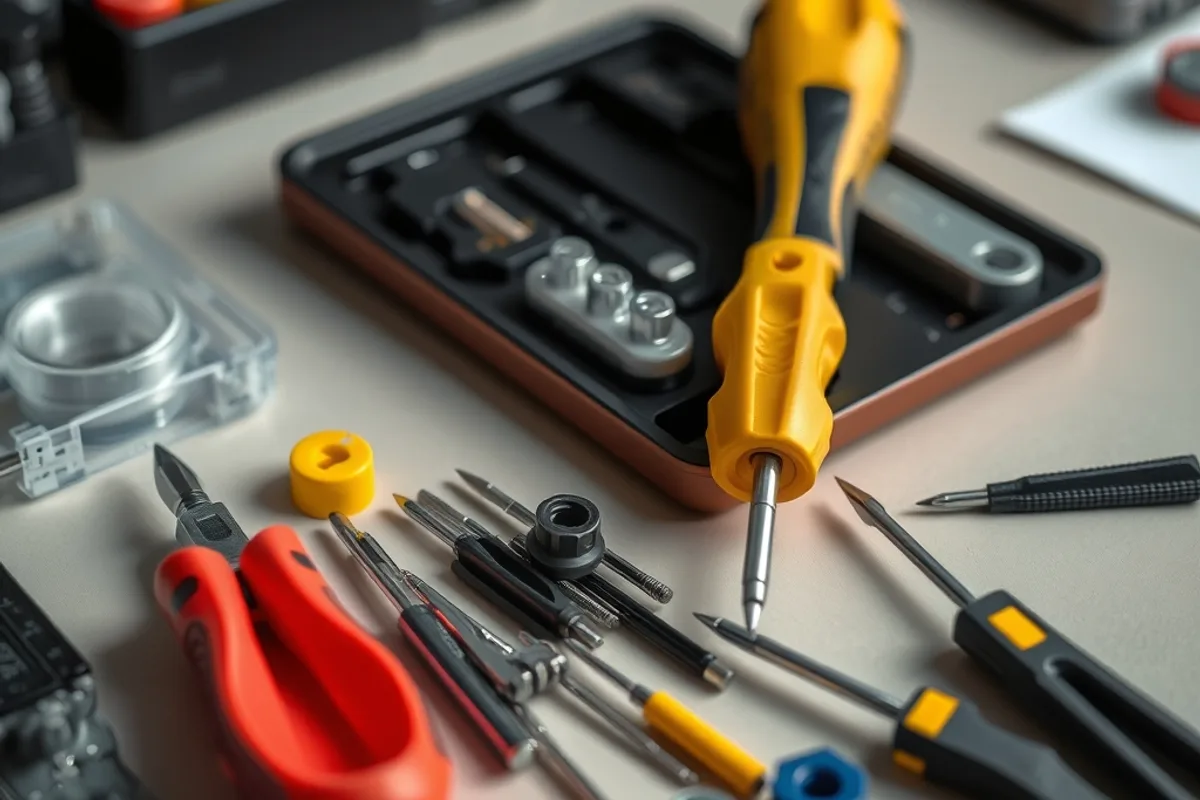
The old objection was that repairable devices are bulky, plasticky and fragile. That is less true than it used to be, but the trade-off has not vanished. Removable backs and replaceable batteries usually mean fewer seals and a slightly thicker body. Water resistance ratings can survive that, but they need to be designed in rather than assumed.
Check the rating for the exact model, including whether it is tested after a repair. Seals degrade when a device is opened, and a phone that was waterproof on day one may not be afterwards. A good repair guide will tell you whether to replace the adhesive gasket, and a good repair shop will do it without being asked.
What it costs over five years
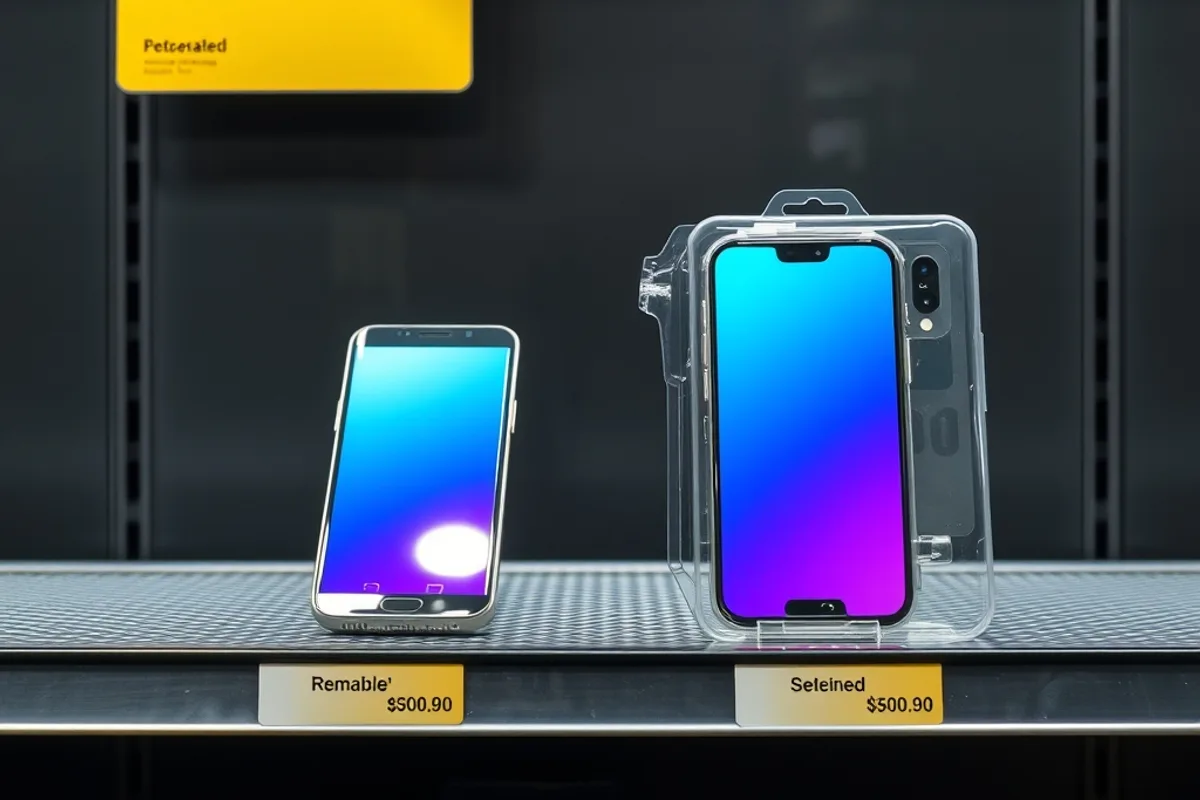
The sticker price hides the interesting part. A cheap sealed phone that needs a screen and a battery in year three can cost more than an expensive repairable one that needs neither. Write down three numbers: the purchase price, the cost of a battery replacement, and the cost of a screen replacement.
Then add the resale value. Repairable devices with long support tend to hold value better, because the second owner can also fix them. That is not a reason to buy one, but it softens the depreciation and makes the total cost over five years noticeably lower than the headline price suggests.

How to judge a repair programme
Look for published parts prices, free public guides, standard tools rather than proprietary ones, and a clear statement about software calibration. Ask whether an independent shop can do the work without losing functionality. If a maker only allows authorised partners, the programme is a service contract, not a repair policy.
Also check the small print on warranty. In some regions, opening a device no longer voids the warranty as long as the damage is unrelated, but the rules vary. Keep receipts for parts, photograph the repair and use the guide. That evidence is what turns a policy into a working right.
The bottom line
Repairability is finally a buying advantage rather than a niche badge. Parts you can order, guides you can follow and updates you can count on add up to a device that lasts. If you are choosing between two similar products in 2026, pick the one you can fix, and put the saved repair money toward the next battery.
For official guidance, see FTC guidance on the right to repair.
A gadget you can fix is a gadget you can keep, and keeping it is the cheapest upgrade available.thorariback Editorial
We cross-check our advice against independent, official sources. For security guidance see the Cybersecurity and Infrastructure Security Agency, and for search documentation see Google Search Central.