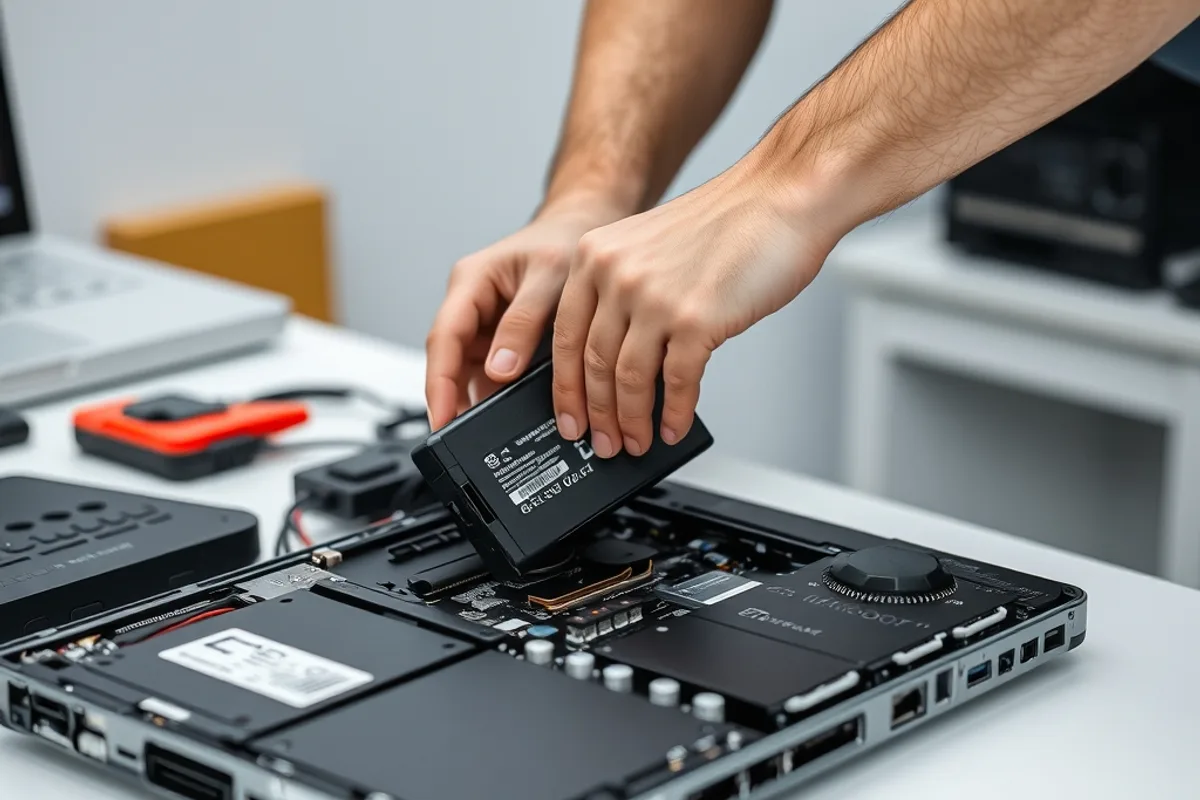
AI Hardware in 2026: What Ships and What Is Still a Demo
Every year brings a new round of hardware with an AI label stuck to it. Most of it is a normal product with a faster chip and a slide deck. In 2026, though, a few categories have crossed the line from demonstration to something you can buy, plug in and use on a Tuesday afternoon. This guide separates the two, because the difference is measured in money and in how quickly the novelty wears off.
We tested the categories that matter to ordinary buyers: small computers that run models locally, wearables that promise to replace your phone, and always-on assistants in the home. For each one the questions are the same. Does it work offline? What does it cost after the free trial? And would you still use it in six months?
Local AI mini PCs are the real story
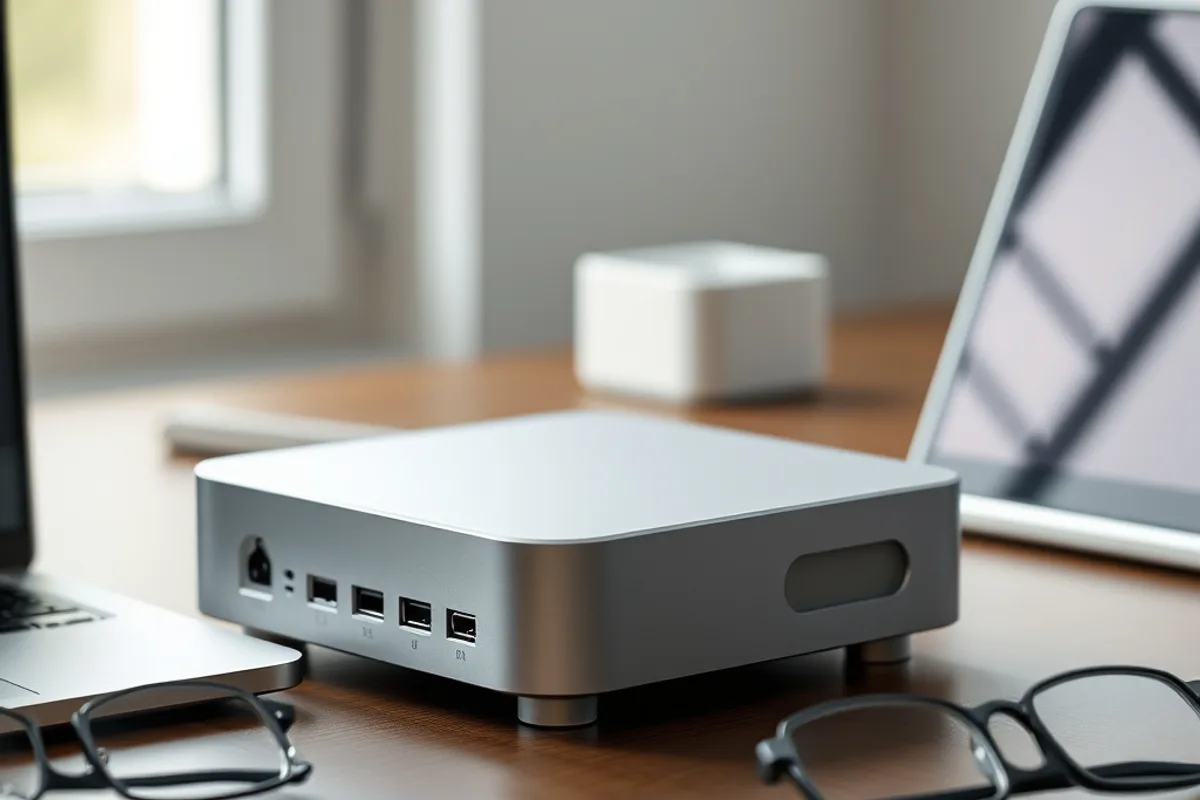
The most convincing AI hardware of 2026 is not a gadget you wear. It is a small desktop box with a lot of unified memory and a modest power draw. These machines can run open language models, transcribe meetings and process photos without sending anything to a server. For anyone handling client documents or confidential notes, that privacy is the whole point.
The catch is memory. A machine with 32GB of unified memory can run useful models at a reasonable speed; one with 8GB will struggle with anything beyond simple summaries. Ask what the model actually needs, not what the marketing page claims. A local model is also only as good as the software around it, and the best tools are still rough compared with polished cloud apps.
Smart glasses: useful in one narrow lane
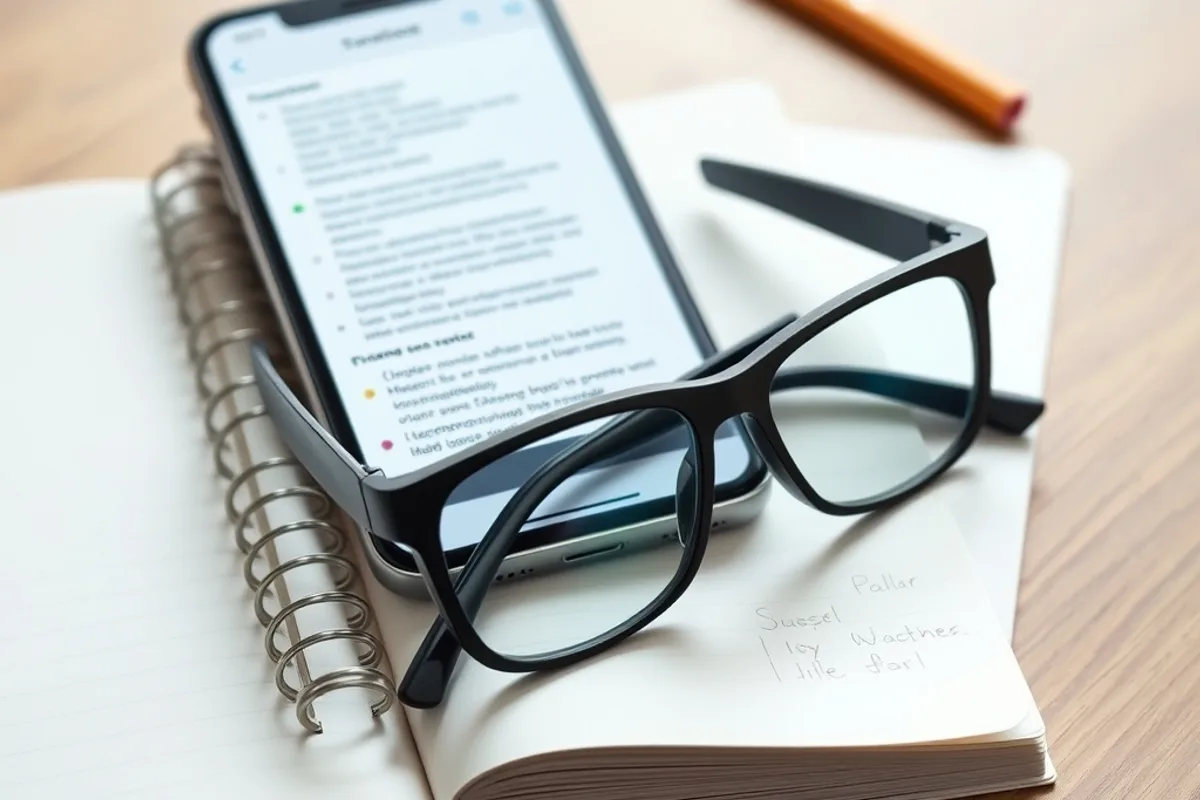
Smart glasses have improved in a specific and unglamorous direction. Audio quality is better, the camera is good enough for quick captures, and live translation actually works in a quiet room. If you spend your day on calls and want a camera without reaching for your phone, they can earn their place.
Outside that lane the experience is still thin. Battery life is measured in hours, not days. The display models remain heavy and expensive, and social etiquette has not caught up with a camera pointed at strangers. Check the recording indicator, the privacy rules in your workplace and the return window before you commit. If a store will not let you wear a pair for twenty minutes, that is a warning sign.
There is a practical test for any wearable: leave your phone in a bag for an afternoon and see how often you reach for the glasses instead. If the answer is never, the product is a demo in your pocket.
Always-on assistants found a smaller job
The speaker that listens all day and answers questions has been promised for a decade. In 2026 the useful version is more limited: a device that handles timers, reminders, shopping lists and household controls, with a clear physical mute switch. The best ones also show when they are listening, which matters more than any feature list.
Buy for the hardware, not the assistant. Speakers age well when they support standard protocols and keep working without a subscription. They age badly when the cloud service shuts down, which has happened to several products. A cheap speaker with local control and a good microphone will outlast a premium one tied to a discontinued account.
What the benchmarks do not tell you
Every launch event includes a chart showing a new chip beating an old one. Those charts rarely name the workload, the batch size or the memory budget. For real use, three numbers matter: tokens per second on the model you actually want, power draw at the wall, and the price of the whole system including memory and cooling.
Latency is the other hidden cost. A device that answers in two seconds feels instant; the same model answering in eight seconds feels broken even if the output is identical. When a reviewer quotes speed, check whether they measured the first response or the whole generation, because the first is what you feel.

Buying advice that survives the hype cycle
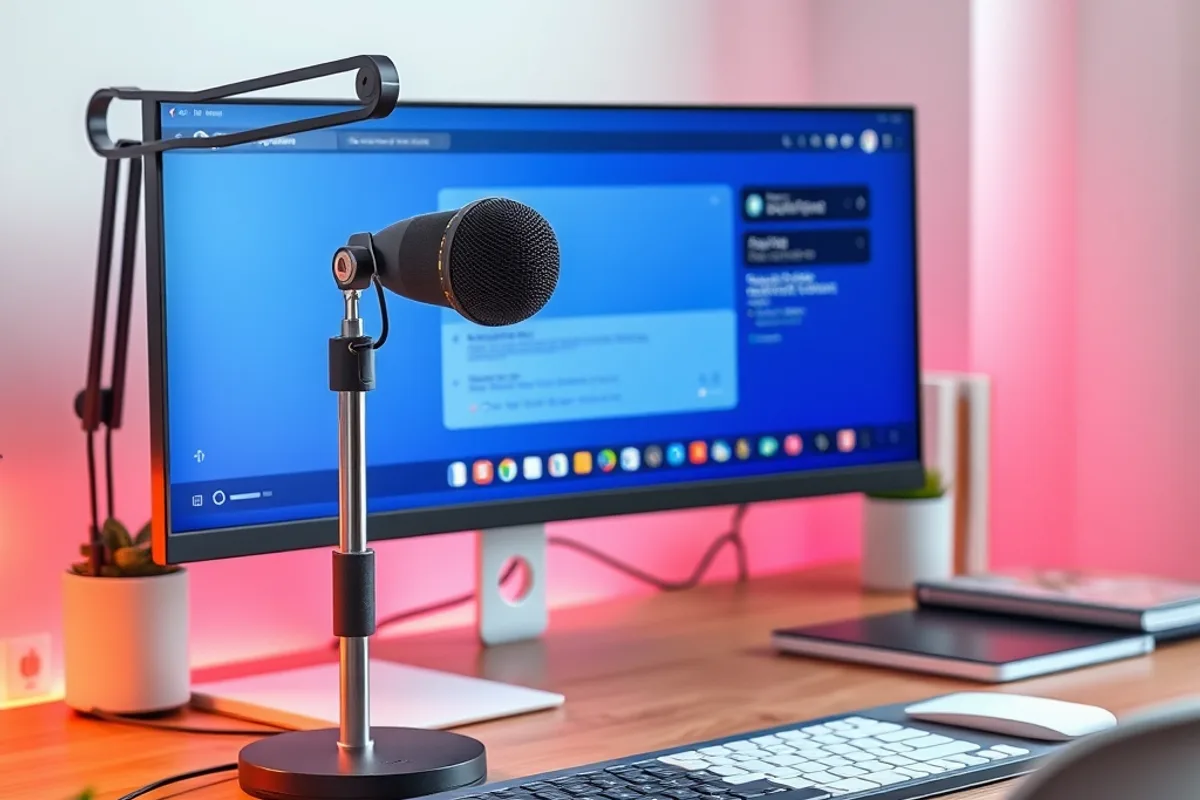
Start from the task, not the technology. If you need meeting notes, a local transcription tool and a decent microphone will do more than a new laptop. If you need to run models on private data, budget for memory before you budget for a graphics card. If you just want to try things, a cloud subscription is cheaper than hardware you may not use.
Then apply the two-year test. Will this device still receive security updates in two years? Does it work if the vendor's cloud disappears? Can you replace the battery or the storage? Products that pass those questions tend to be the ones people keep, regardless of what the launch slide promised.
The bottom line for 2026
The best AI hardware of 2026 is quiet, local and a little boring. It sits on your desk, respects your data and does a small number of jobs well. The flashiest demos are still demos. Buy the tool that solves the problem in front of you, and let the stage tricks stay on stage.
For official guidance, see NIST guidance on trustworthy artificial intelligence.
The useful AI hardware of 2026 is boring: it sits quietly, runs locally and does not need a monthly fee to keep working.thorariback Editorial
We cross-check our advice against independent, official sources. For security guidance see the Cybersecurity and Infrastructure Security Agency, and for search documentation see Google Search Central.