Mobile Applications
Choosing, using and paying for apps without wasting money or storage.
thorariback groups its mobile applications writing into one place so you can find what matters without scrolling past marketing. Choosing, using and paying for apps without wasting money or storage. We keep the language plain: what something costs, how long it lasts, and what we would do with our own money. Every article ends with a clear recommendation instead of a shrug.
Everything here is independent. We are not paid to rank products, we do not run sponsored lists, and when we lean on official documentation we link to it so you can check the details yourself. If two options are close, we say so rather than inventing a winner to sound decisive. Start with our home page, or jump to another topic such as Tech Innovations.
How we research and test mobile applications
Our writers are practitioners first. Tools and services are tested on real projects, with real budgets and deadlines, and prices come from published plans rather than press packs. Before publishing we cross-check claims against vendor documentation and independent security or performance data, and anything uncertain is labelled as an opinion. When we get something wrong we correct it in public, because trust matters more to us than looking clever.
We cross-check our advice against independent, official sources. For security guidance see the Cybersecurity and Infrastructure Security Agency, and for search documentation see Google Search Central.
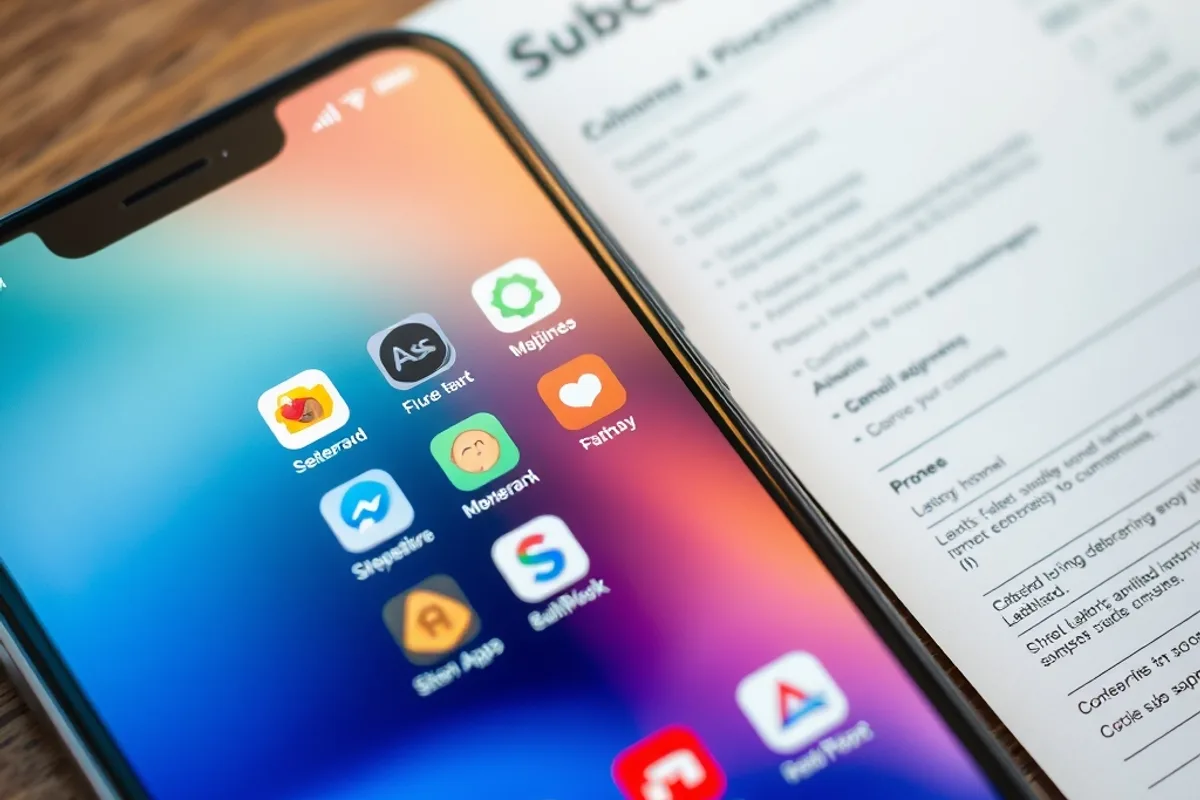
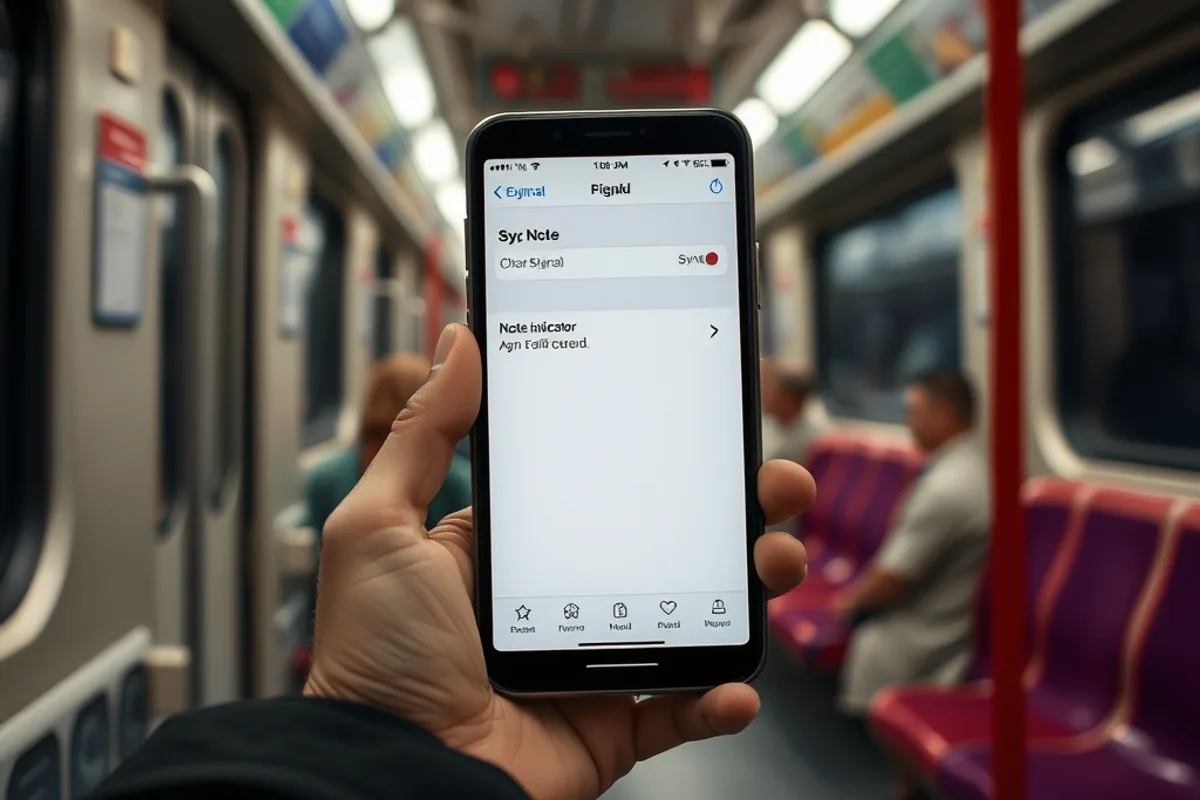
Our mobile applications coverage is written for people doing the work, not for a launch event. Most phones carry a dozen quiet monthly charges. A one-hour audit usually finds two or three apps you can replace for free. App subscriptions add up fast in 2026. Here is how to audit what you pay for each month, replace the duplicates and keep only the apps you actually open. Apps that keep your data on the device open in a blink and survive dead zones. The trade-offs are real, but usually worth it. Offline-first apps store data on the device first, so they open instantly and work on weak signal. Here is how to spot one and why it matters every day.